1. Generative Content Engine
Autonomous systems now craft blog posts, marketing copy, and even video scripts with human‑level nuance, reducing content production cycles by up to 70%.
2. Real‑time Code Assistant
Next‑gen agents integrate directly with IDEs, offering context‑aware suggestions, automatic refactoring, and instant bug‑fix recommendations, enabling developers to ship code ten times faster.
3. Autonomous Vision Analyst
Powered by multimodal models, this tool interprets medical imagery, satellite feeds, and manufacturing defect scans with accuracy surpassing specialist radiologists, unlocking predictive maintenance and early disease detection.
4. Personal Knowledge Graph Builder
AI extracts relationships from emails, notes, and IoT telemetry to construct a living graph of an individual’s professional ecosystem, surfacing insights, automating briefing prep, and suggesting optimal collaborators.
5. AI‑Powered Virtual Collaborator
Serving as a 24/7 digital teammate, the virtual collaborator schedules meetings, drafts agendas, and synthesizes discussion outcomes, freeing human workers to focus on high‑value strategy.
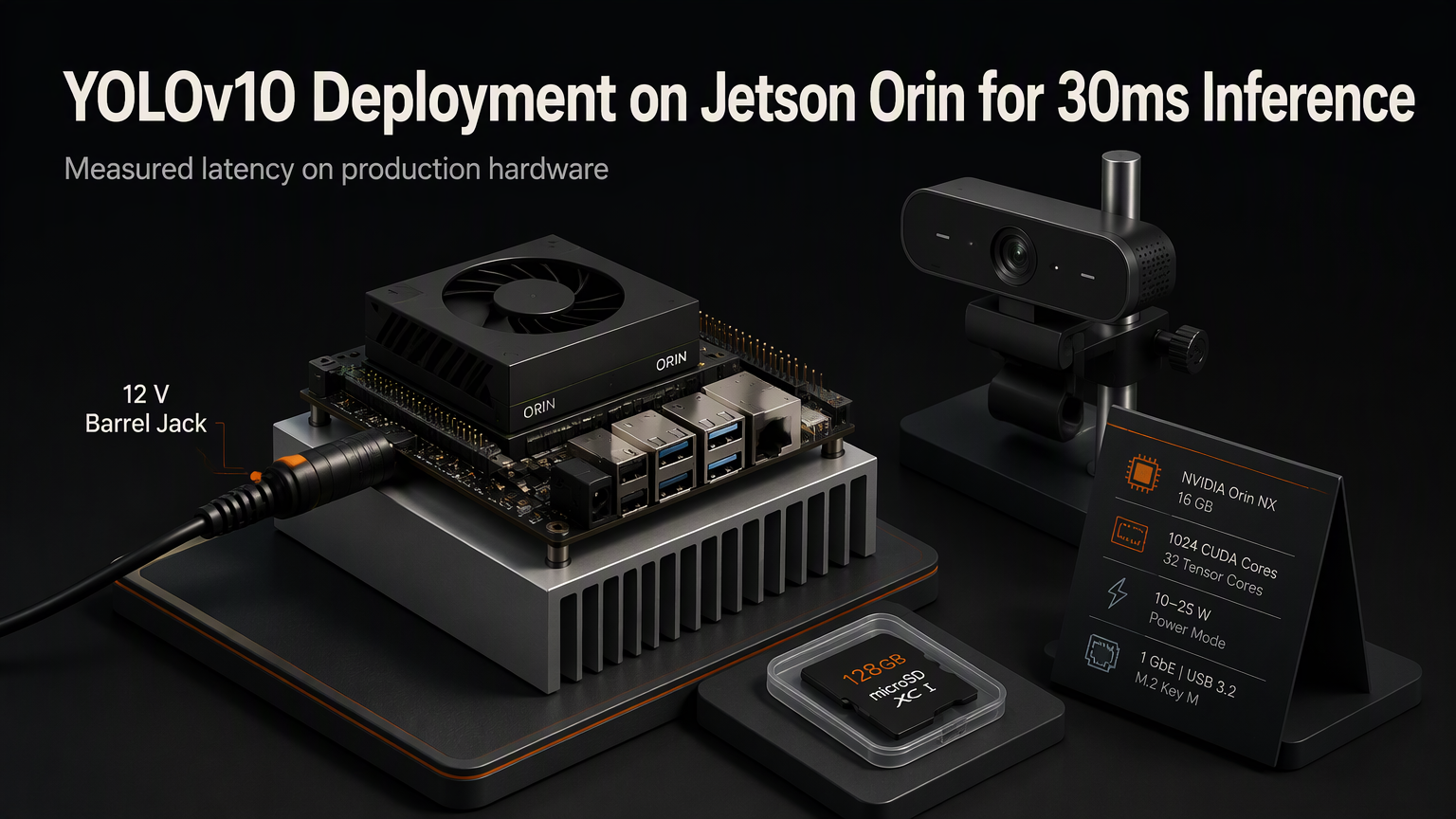
6. Edge AI Optimization Suite
Specialized compilers and runtime managers dynamically tune models for latency‑critical devices, extending battery life on smartphones and enabling sophisticated analytics on remote sensors without cloud dependency.
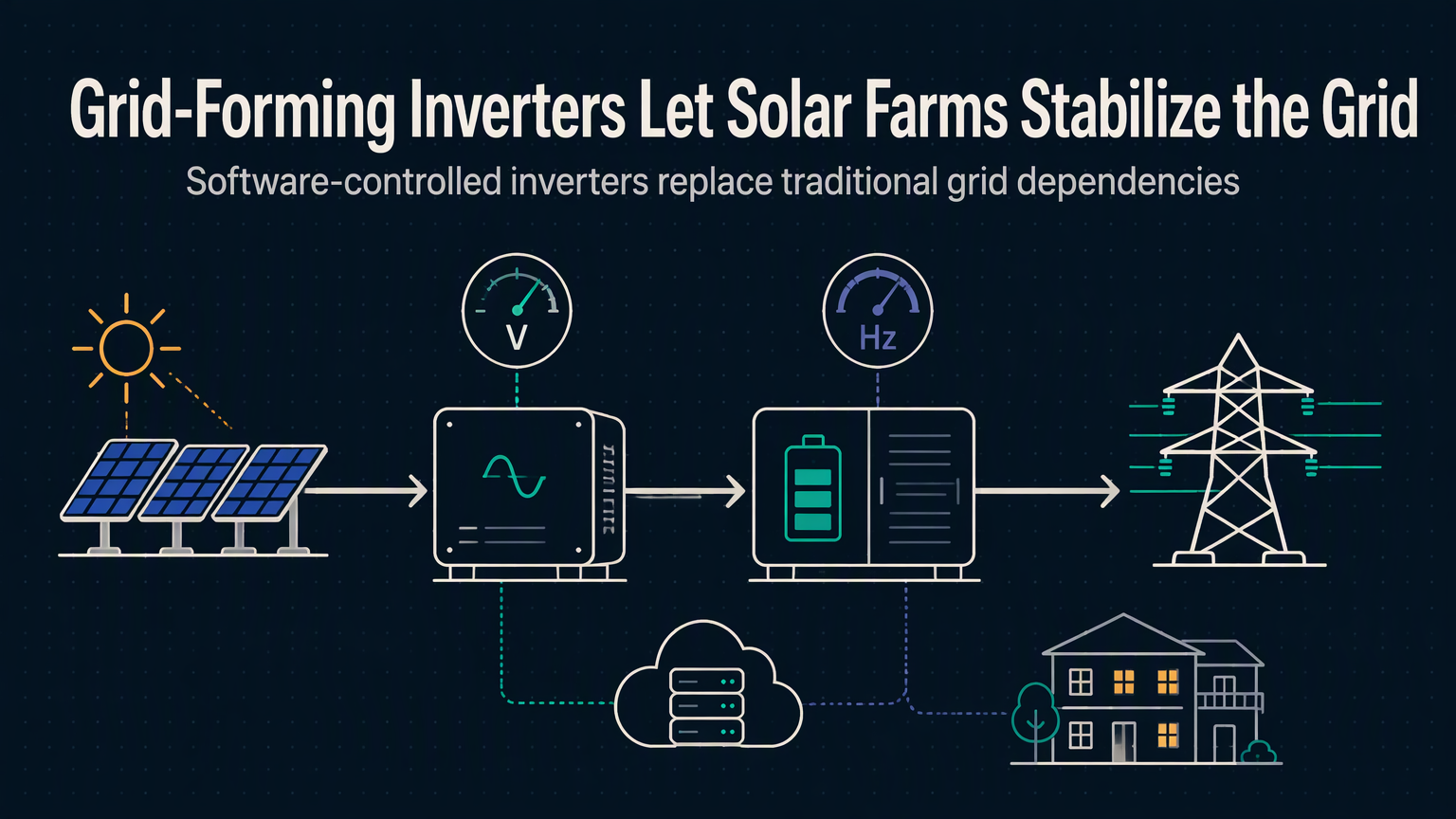
7. Autonomous Decision Engine
By integrating reinforcement learning with real‑world constraints, this engine autonomously optimizes supply‑chain routes, portfolio allocations, and energy grids, delivering measurable cost reductions and sustainability gains.
These tools illustrate a shift from aided productivity to autonomous agency, promising a 2025 where AI doesn’t just assist but leads, redefining how we create, decide, and collaborate.