Introduction
Generative artificial intelligence has moved from a novelty to a cornerstone of modern creativity, reshaping how we design, compose, and innovate as we progress through 2025.
The Evolution of Generative AI
Early models such as GPT-2 gave way to multimodal systems that can generate text, images, audio, and even code with unprecedented fidelity. By 2025, diffusion-based generators and transformer-derived architectures dominate, delivering hyper-realistic visuals and nuanced narratives in real time.
Creative Domains Transformed
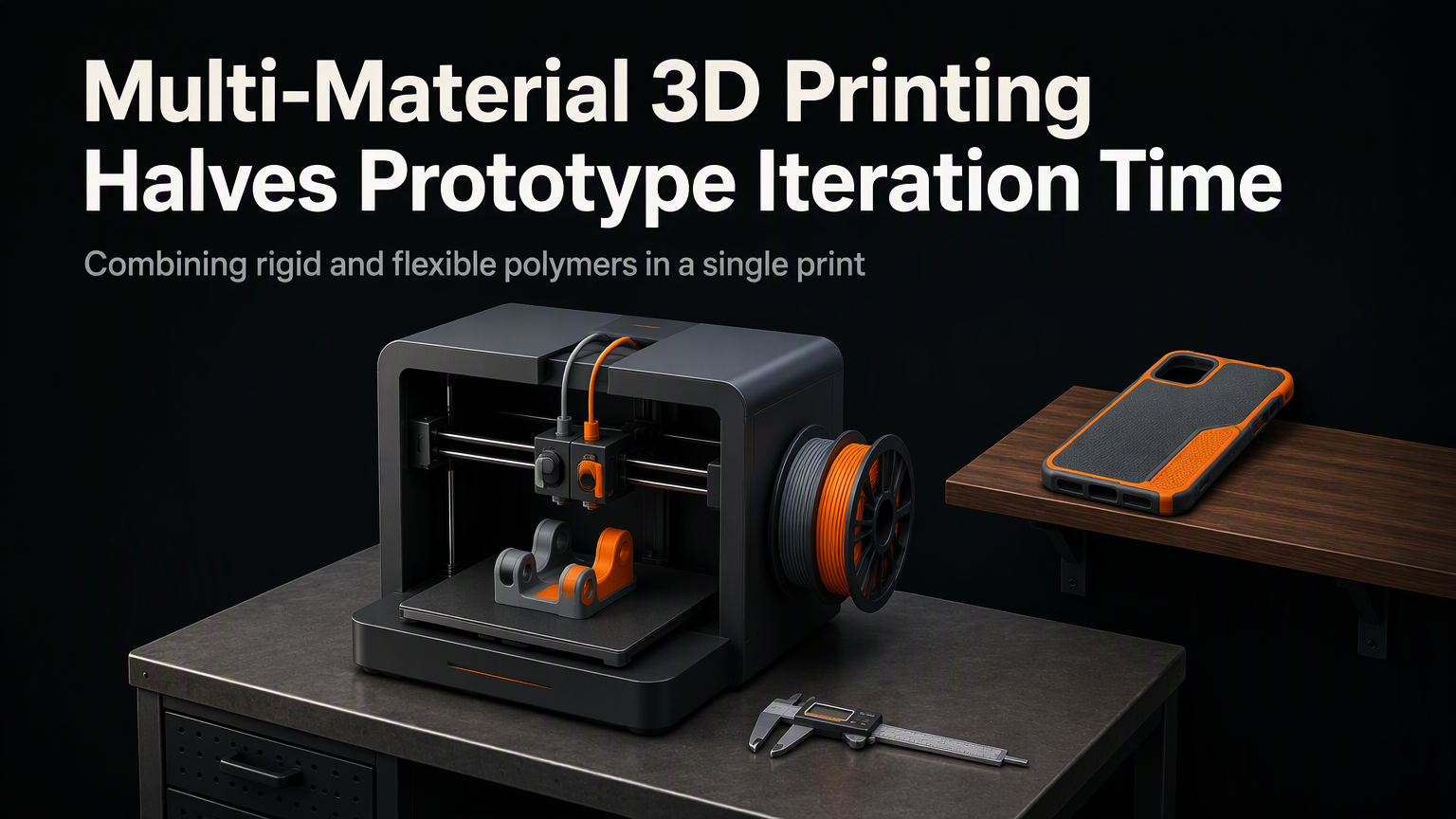
From graphic design to music composition, generative AI now powers tools that co-author artwork, generate soundtracks, and draft marketing copy. Recent breakthroughs include AI-driven 3D modeling that reduces prototyping cycles by 70% and AI-enhanced video editing that automates scene stitching.
Human-AI Collaboration
Rather than replacing creators, generative AI acts as a collaborative partner. Artists use prompt-engineering to explore thousands of variations, while engineers leverage AI-assisted code synthesis to accelerate development. This symbiosis expands creative bandwidth and democratizes access to professional-grade tools.
Ethical & Societal Considerations
With great power comes responsibility. Issues such as deep-fake misuse, copyright ambiguity, and bias in training data demand robust governance. Industry coalitions are establishing standards for attribution, model transparency, and watermarking to safeguard creators.
Industry Spotlights
- Advertising: Brands employ AI-generated campaign assets that can be localized instantly, cutting production costs.
- Entertainment: Studios use generative scripts to brainstorm plot twists and AI-animated characters that interact with live actors.
- Education: Adaptive learning platforms generate personalized curriculum content, catering to each student's pace.
Future Outlook
Looking ahead, generative AI will likely integrate with augmented reality, enabling immersive, on-demand content creation. Advances in controllable generation will give creators granular control over style, emotion, and narrative arc, further blurring the line between human and machine imagination.