Your Next AI Co-Worker Is Coming (And It’s Not What You Think)
The conversation around artificial intelligence often conjures images of chatbots that answer questions, virtual assistants that schedule meetings, or robotic arms that assemble products. While these examples highlight AI’s growing presence, the next evolution will be far more intimate. Imagine an AI co‑worker that collaborates with you in real time, learns your habits, and anticipates needs before you even articulate them.
This isn’t a distant sci‑fi scenario; it’s already taking shape in enterprise software, low‑code platforms, and specialized tools that embed intelligence directly into workflow. Rather than a separate interface, the upcoming AI co‑worker will be woven into the fabric of daily tasks, acting as a proactive partner rather than a reactive tool.
- Context‑aware assistance that surfaces relevant data as you type or click
- Predictive automation that completes routine steps without explicit commands
- Personalized skill expansion, offering suggestions to upskill based on project demands
What sets these future collaborators apart is their ability to understand intent, not just execute commands. They will read subtle cues—such as the pace of your work, the documents you reference, or the tone of your emails—to adapt their support accordingly. This level of contextual awareness transforms AI from a utility into a trusted teammate.
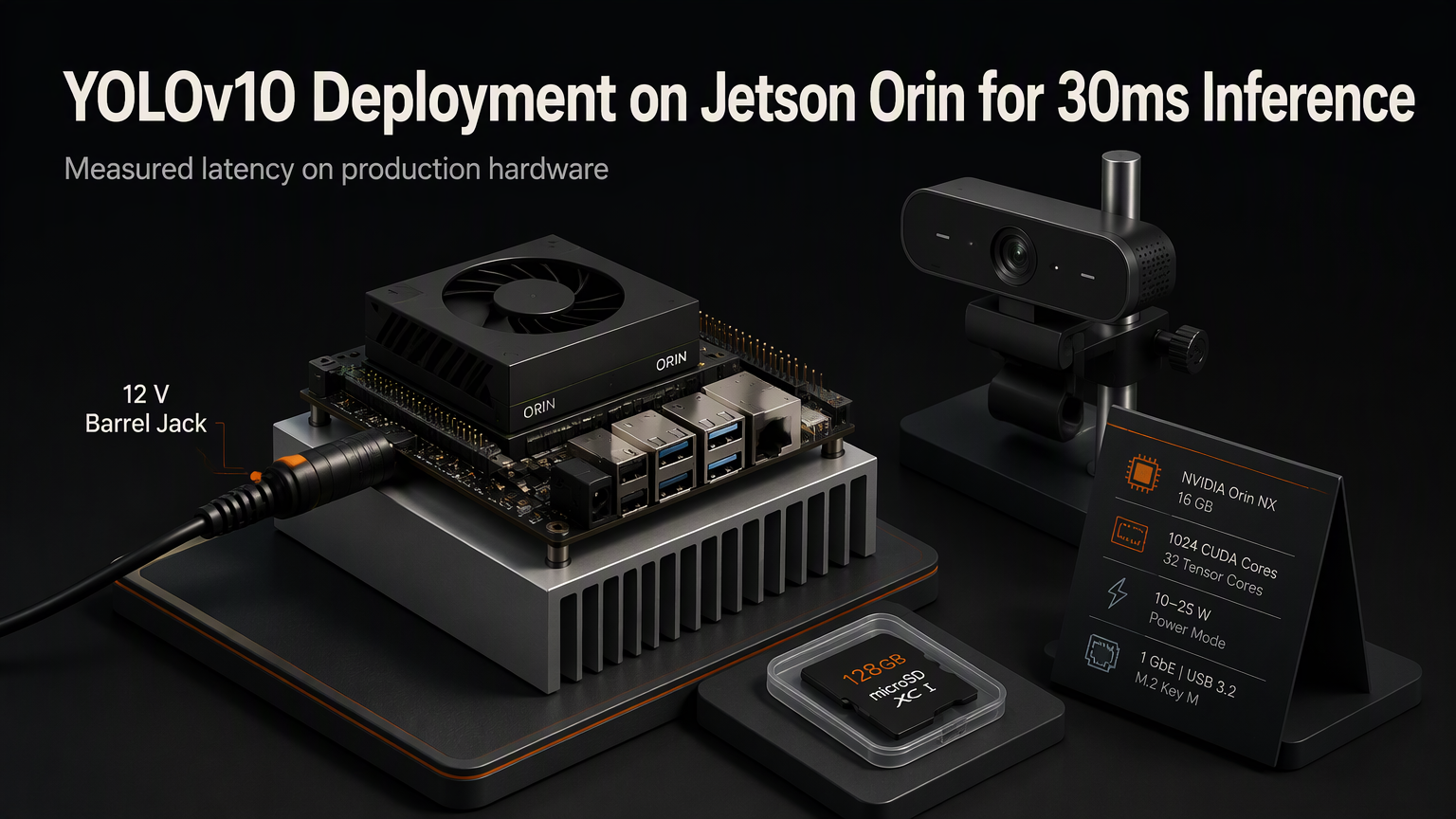
From a technical standpoint, several breakthroughs make this possible. Advances in transformer architectures, multimodal learning, and edge‑optimized inference enable models small enough to run locally on a laptop or embedded device. Coupled with privacy‑preserving techniques like federated learning, these systems can improve over time without exposing sensitive data to external servers.
For organizations, the implications are profound. Teams can offload repetitive analysis, generate drafts, or conduct exploratory data work at unprecedented speed. Yet the shift also raises questions about job roles, skill development, and ethical oversight. Success will depend on how leaders balance automation with human creativity, ensuring that AI amplifies rather than replaces critical judgment.
From an individual perspective, the AI co‑worker promises a new kind of productivity superpower. By handling the mundane, it frees up mental bandwidth for problem solving, strategy, and innovation. The key will be to train users to collaborate effectively with these intelligent agents, interpreting their suggestions while retaining ultimate control.
In practice, early adopters are already experiencing glimpses of this future. Design tools that auto‑generate layouts based on style guides, code editors that suggest entire functions from a brief description, and research platforms that surface related studies in real time are early prototypes of the AI co‑worker concept. As these capabilities mature, the line between tool and teammate will blur.
Looking ahead, the trajectory points toward seamless integration across devices and environments. Whether you’re drafting a report on a tablet, debugging code on a desktop, or reviewing a design mock‑up on a mobile app, the AI co‑worker will be there, ready to anticipate, assist, and learn alongside you.